What Is a Box Type Substation and How Does It Work in Modern Power Distribution
A Box Type Substation is a compact, prefabricated electrical substation designed to integrate high-voltage switchgear, transformers, and low-voltage distribution equipment into a single enclosed unit. Widely used in urban infrastructure, industrial facilities, renewable energy projects, and commercial developments, box type substations offer superior safety, space efficiency, and installation flexibility.
This article provides a comprehensive guide to box type substations, covering their structure, working principles, applications, advantages, technical standards, and selection criteria.
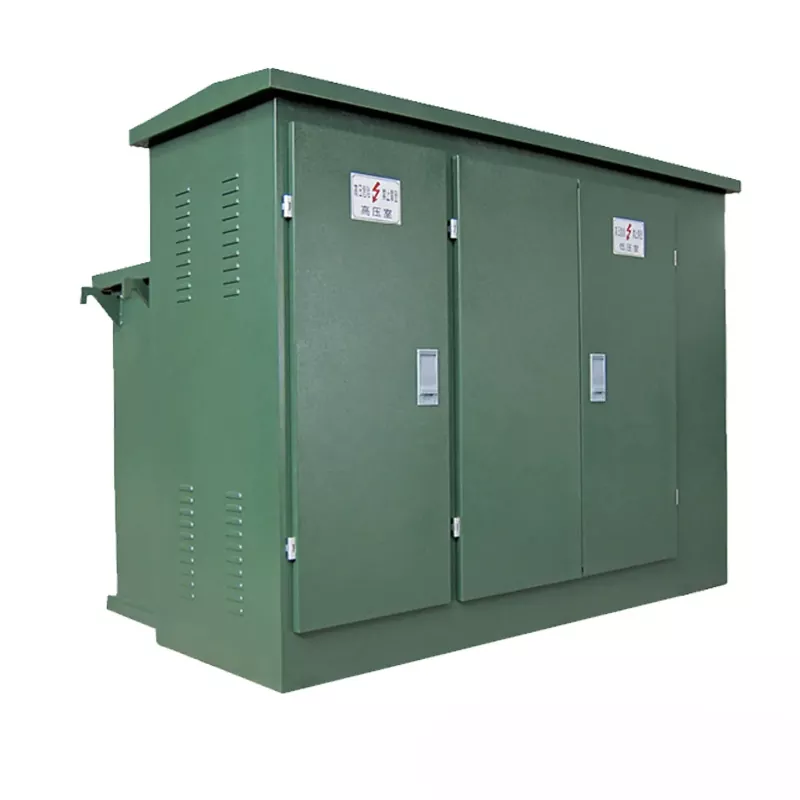
Table of Contents
- 1. What Is a Box Type Substation?
- 2. Main Components of a Box Type Substation
- 3. How Does a Box Type Substation Work?
- 4. Common Types of Box Type Substations
- 5. Key Advantages of Box Type Substations
- 6. Applications in Modern Power Distribution
- 7. Technical Standards and Specifications
- 8. How to Choose the Right Box Type Substation
- 9. Box Type Substation vs Traditional Substation
- 10. Frequently Asked Questions (FAQ)
1. What Is a Box Type Substation?
A Box Type Substation, also known as a compact substation or prefabricated substation, is an integrated power distribution unit housed within a weatherproof enclosure. It combines:
- Medium or high-voltage switchgear
- Power transformer
- Low-voltage distribution equipment
Unlike conventional substations that require separate buildings and extensive civil construction, box type substations are factory-assembled, tested, and delivered as a complete unit. Companies like TOONICE specialize in providing customized box type substation solutions for diverse electrical environments.
2. Main Components of a Box Type Substation
| Component | Function |
|---|---|
| High-Voltage Switchgear | Controls and protects incoming power supply |
| Transformer | Steps down voltage to usable levels |
| Low-Voltage Distribution Panel | Distributes electricity to end users |
| Enclosure | Provides environmental and safety protection |
| Monitoring System | Enables real-time data tracking and fault detection |
These components are arranged in isolated compartments to enhance safety and simplify maintenance.
3. How Does a Box Type Substation Work?
The operation of a box type substation follows a streamlined power distribution process:
- Electricity enters through the high-voltage switchgear.
- The transformer reduces voltage to distribution levels.
- Low-voltage panels distribute power to loads.
- Protection devices isolate faults automatically.
Modern box type substations often integrate smart monitoring systems, enabling remote operation and predictive maintenance—an essential feature for smart grids and industrial automation.
4. Common Types of Box Type Substations
- American Type Box Substation – Compact and transformer-focused
- European Type Box Substation – Modular and highly protected
- Underground Box Substation – Ideal for space-limited urban areas
- Renewable Energy Substation – Designed for solar and wind power
5. Key Advantages of Box Type Substations
- Space-saving compact design
- Fast installation and commissioning
- High safety and environmental protection
- Lower construction and maintenance costs
- Customizable for specific projects
These advantages make box type substations a preferred choice for modern power infrastructure.
6. Applications in Modern Power Distribution
Box type substations are widely used in:
- Urban residential communities
- Industrial parks and factories
- Commercial buildings and data centers
- Solar and wind power stations
- Transportation infrastructure
7. Technical Standards and Specifications
A reliable box type substation should comply with international standards such as:
- IEC 62271
- IEEE C57
- GB/T 17467
Compliance ensures safety, performance, and global compatibility.
8. How to Choose the Right Box Type Substation
Key selection factors include:
- Rated voltage and capacity
- Installation environment
- Protection and monitoring needs
- Customization requirements
Working with experienced manufacturers like TOONICE ensures optimized design and long-term reliability.
9. Box Type Substation vs Traditional Substation
| Feature | Box Type Substation | Traditional Substation |
|---|---|---|
| Installation Time | Short | Long |
| Space Requirement | Minimal | Large |
| Cost | Lower overall | Higher |
10. Frequently Asked Questions (FAQ)
Q1: What is the typical lifespan of a box type substation?
With proper maintenance, it can operate reliably for 20–30 years.
Q2: Are box type substations suitable for renewable energy?
Yes, they are widely used in solar and wind power projects.
Q3: Can box type substations be customized?
Absolutely. Leading manufacturers like TOONICE offer full customization.
Conclusion
As power distribution systems evolve toward efficiency, safety, and intelligence, the Box Type Substation has become an indispensable solution. Its compact structure, flexible deployment, and advanced functionality make it ideal for modern electrical infrastructure.
If you are planning a power distribution project or upgrading existing facilities, partnering with a trusted manufacturer like TOONICE can ensure long-term performance and reliability. Contact us today to explore customized box type substation solutions tailored to your needs.