How Can a Dry Type Transformer Improve Power Safety and Efficiency in Modern Electrical Systems
Toonice provides advanced Dry Type Transformer solutions designed for safe, efficient, and environmentally friendly power distribution in industrial, commercial, and renewable energy applications. As a professional transformer manufacturer, Toonice focuses on delivering reliable dry-type transformer systems with excellent insulation performance, stable operation, and customized configurations to meet global electrical requirements.
A Dry Type Transformer is a key electrical device that transfers electrical energy between different voltage levels without using liquid insulation materials. Compared with traditional oil-immersed transformers, it offers higher safety, lower maintenance requirements, and better environmental adaptability. This article explains the working principle, structural advantages, technical features, application fields, and selection considerations of dry-type transformers to help engineers, contractors, and power system buyers understand why this technology is widely adopted in modern energy infrastructure.
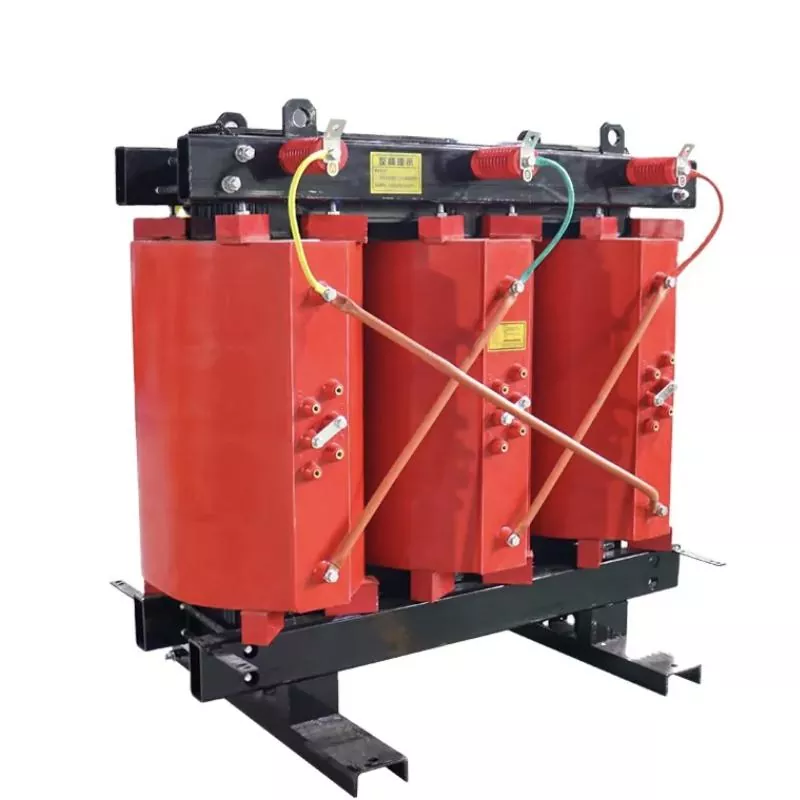
Table of Contents
- What Is a Dry Type Transformer?
- How Does a Dry Type Transformer Work?
- Key Advantages of Dry Type Transformers
- Technical Features and Performance Parameters
- Main Applications of Dry Type Transformers
- How to Choose the Right Dry Type Transformer?
- Frequently Asked Questions About Dry Type Transformer
- Conclusion
What Is a Dry Type Transformer?
A Dry Type Transformer is an electrical transformer that uses air or solid insulation materials instead of liquid cooling oil for voltage conversion. It is mainly composed of iron cores, high-voltage windings, low-voltage windings, insulation systems, and cooling structures.
Unlike oil-filled transformers, dry-type models eliminate the risk of oil leakage and reduce fire hazards. This makes them particularly suitable for locations where safety, environmental protection, and indoor installation are important factors.
Modern dry-type transformers usually adopt advanced insulation technologies such as epoxy resin casting or vacuum pressure impregnation (VPI), ensuring reliable electrical performance under demanding operating conditions.
How Does a Dry Type Transformer Work?
The operating principle of a Dry Type Transformer is based on electromagnetic induction. When alternating current flows through the primary winding, it generates a changing magnetic field inside the transformer core. This magnetic field induces voltage in the secondary winding, allowing electrical energy to be transferred while changing the voltage level.
The main working process includes:
- Voltage Input: Electrical power enters through the high-voltage winding.
- Magnetic Conversion: The iron core transfers magnetic energy between windings.
- Voltage Adjustment: The secondary winding outputs electricity at the required voltage level.
- Heat Dissipation: Cooling systems remove heat generated during operation.
Because no liquid insulation is required, dry-type transformers can operate safely in buildings, underground facilities, and sensitive environments.
Key Advantages of Dry Type Transformers
The increasing demand for safe and sustainable electrical equipment has made Dry Type Transformer technology a preferred choice for many industries. Its main advantages include:
- Enhanced Safety: No flammable insulating oil is used, reducing fire risks in indoor installations.
- Environmentally Friendly Operation: The absence of oil leakage protects surrounding environments.
- Low Maintenance Requirements: Dry insulation systems require less maintenance compared with oil-filled transformers.
- Long Service Life: High-quality insulation materials provide excellent resistance against moisture, heat, and aging.
- Flexible Installation: Compact designs allow installation in commercial buildings, factories, and renewable energy systems.
| Comparison Item | Dry Type Transformer | Oil Immersed Transformer |
|---|---|---|
| Insulation Method | Air and solid insulation materials | Mineral oil or insulating liquid |
| Fire Safety | High safety performance with low fire risk | Higher fire protection requirements |
| Maintenance | Simple maintenance process | Requires oil inspection and maintenance |
| Installation Environment | Suitable for indoor and sensitive areas | Mainly outdoor applications |
| Environmental Impact | No oil leakage concerns | Requires oil management |
Technical Features and Performance Parameters
A high-quality Dry Type Transformer combines advanced manufacturing technology with strict quality control to achieve stable electrical performance. Depending on application requirements, different designs and specifications can be customized.
| Parameter | Typical Performance |
|---|---|
| Rated Capacity | From small distribution levels to large industrial power systems |
| Voltage Class | Available for medium and low voltage applications |
| Insulation Class | High-temperature resistant insulation materials |
| Cooling Method | Natural air cooling (AN) or forced air cooling (AF) |
| Protection Grade | Suitable for different indoor installation environments |
Advanced production processes usually include precision winding, vacuum casting, insulation treatment, and comprehensive electrical testing. These procedures help ensure low energy loss, reduced noise, and reliable operation.
Main Applications of Dry Type Transformers
Due to their safety advantages and reliable performance, Dry Type Transformers are widely used across multiple industries, including:
- Commercial Buildings: Shopping malls, office buildings, hotels, and high-rise structures require safe indoor power distribution.
- Industrial Facilities: Manufacturing plants and production lines use dry-type transformers for stable power supply.
- Data Centers: High reliability and low maintenance requirements make them suitable for critical power environments.
- Renewable Energy Projects: Solar farms and wind power systems often use dry-type transformers for efficient energy conversion.
- Transportation Infrastructure: Airports, metro systems, and railway facilities benefit from their safety characteristics.
How to Choose the Right Dry Type Transformer?
Selecting the correct transformer requires evaluating electrical requirements, installation conditions, and long-term operating goals. Buyers should consider the following factors:
- Rated Power Capacity: Choose a transformer according to the actual load demand and future expansion requirements.
- Voltage Requirements: Confirm primary and secondary voltage levels before purchase.
- Installation Environment: Consider temperature, humidity, ventilation, and protection requirements.
- Efficiency Standards: High-efficiency transformers can reduce energy consumption and operating costs.
- Manufacturer Capability: Select a reliable supplier with professional engineering support and quality certifications.
A professional transformer supplier can provide customized solutions according to different industries, ensuring better compatibility and operational reliability.
Frequently Asked Questions About Dry Type Transformer
1. What is the main difference between a Dry Type Transformer and an oil transformer?
The primary difference is the insulation method. A Dry Type Transformer uses air and solid insulation materials, while an oil transformer relies on liquid insulation. Dry-type models provide improved fire safety and are more suitable for indoor or environmentally sensitive locations.
2. Are Dry Type Transformers suitable for industrial applications?
Yes. Dry Type Transformers are widely used in factories, manufacturing facilities, power distribution rooms, and automation systems because they provide stable voltage conversion with minimal maintenance.
3. How long can a Dry Type Transformer operate?
With proper installation and regular inspection, a high-quality dry-type transformer can provide reliable service for decades. Service life depends on insulation quality, operating temperature, load conditions, and maintenance practices.
4. Why are Dry Type Transformers considered environmentally friendly?
Since they do not contain insulating oil, dry-type transformers eliminate oil leakage risks and reduce potential environmental pollution. This makes them a preferred solution for green buildings and sustainable power projects.
Conclusion
Dry Type Transformer technology plays an essential role in modern electrical distribution systems by combining safety, efficiency, and environmental advantages. From commercial buildings to industrial facilities and renewable energy projects, these transformers provide reliable voltage conversion and long-term operational value. Choosing the right transformer design, capacity, and supplier is essential for achieving stable and efficient power management.
If you are looking for a reliable Dry Type Transformer solution with professional engineering support, customized options, and quality assurance, please contact us today. Our team can help you select the ideal transformer system based on your application requirements and provide dependable power distribution solutions.