Article Summary: A Vacuum Circuit Breaker VCB is a critical switching and protection device for medium-voltage electrical systems, using a sealed vacuum chamber as the arc-extinguishing medium. This article explains how VCB technology works, its key advantages, application scenarios, operating conditions, and important selection considerations for industrial power distribution. Based on the technical information provided by Toonice, this guide is designed to help engineers, electrical contractors, distributors, and purchasing teams better understand VCB performance and application requirements.
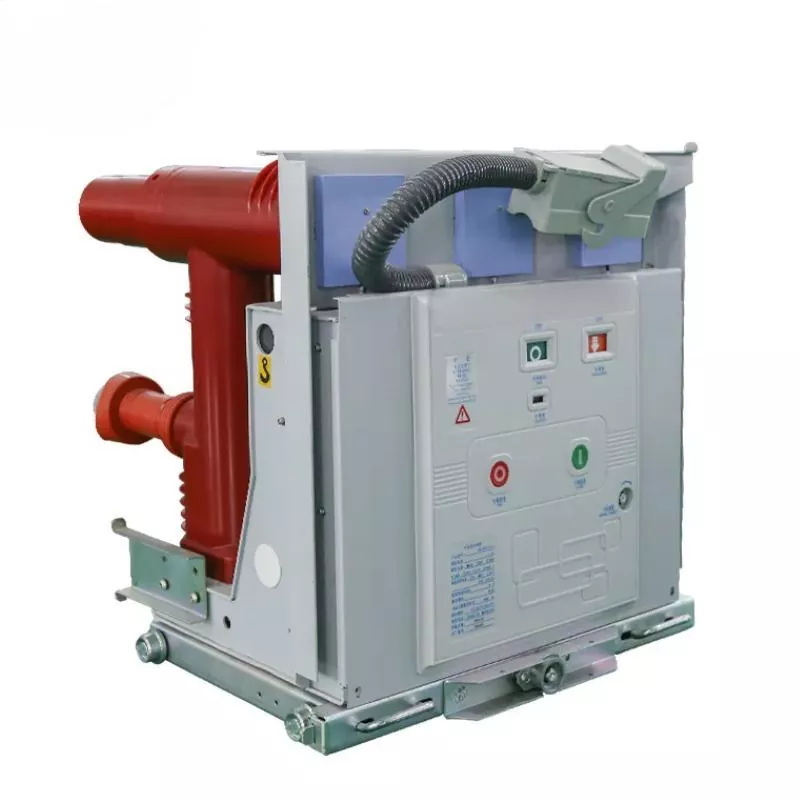
Table of Contents
- What Is a Vacuum Circuit Breaker VCB?
- How Does a Vacuum Circuit Breaker VCB Work?
- What Are the Key Advantages of VCB Technology?
- Where Is a Vacuum Circuit Breaker VCB Used?
- What Operating Conditions Should Be Considered?
- How Should You Select the Right VCB?
- Frequently Asked Questions About Vacuum Circuit Breaker VCB
What Is a Vacuum Circuit Breaker VCB?
Toonice manufactures and supplies Vacuum Circuit Breaker VCB solutions designed for medium-voltage power distribution applications where reliable switching, electrical protection, frequent operation, and reduced maintenance are important. According to the manufacturer's product information, these breakers are suitable for indoor three-phase AC systems and can be applied in industrial and mining enterprises, power plants, substations, and other distribution networks.
A VCB uses a vacuum as the arc-extinguishing medium. The electrical contacts are enclosed inside a sealed vacuum interrupter. When the breaker opens during normal switching or a fault condition, the contacts separate and the vacuum environment helps suppress the electrical arc.
This construction eliminates the need for conventional oil as an arc-extinguishing medium and supports a compact, relatively lightweight design. It also contributes to low maintenance requirements, low operating noise, and long electrical service life.
For buyers evaluating medium-voltage switching equipment, the Toonice Vacuum Circuit Breaker VCB is therefore worth considering when the application requires dependable interruption performance combined with frequent switching capability.
How Does a Vacuum Circuit Breaker VCB Work?
The operating principle of a VCB is relatively straightforward, but its performance depends on precise mechanical and electrical design. The primary switching action takes place inside the vacuum interrupter, where the contacts are isolated from atmospheric conditions.
- Normal operation: The electrical contacts remain closed, allowing current to flow through the circuit.
- Opening command: When a switching or protection command is received, the operating mechanism separates the contacts.
- Arc formation: A temporary arc may form as the contacts separate, but the vacuum environment limits sustained arcing.
- Arc extinction: The arc is extinguished rapidly as the current approaches its natural zero point.
- Dielectric recovery: The insulation strength across the contact gap recovers rapidly, helping prevent the arc from restriking.
One important feature is the relatively small contact gap. Toonice's technical information notes that a 10 kV VCB can have a contact gap of approximately 10 mm. A compact contact travel reduces the mechanical work required during operation and can contribute to a longer mechanical service life.
What Are the Key Advantages of VCB Technology?
Vacuum interruption technology has become an important solution for medium-voltage distribution because it combines effective fault interruption with a comparatively simple operating environment. The major advantages include:
- Low maintenance: The sealed vacuum interrupter does not require routine arc-extinguishing medium maintenance comparable to oil-based systems.
- Compact construction: The small contact travel and compact interrupter design help reduce overall equipment size.
- Fast arc extinction: The arcing period is short and is typically around half a cycle according to the manufacturer's product information.
- Fast dielectric recovery: Rapid recovery of insulation strength supports reliable interruption of fault currents.
- Long electrical life: Reduced contact wear allows the breaker to support repeated switching operations.
- Low operating noise: VCBs can be suitable for installations where noise should be minimized.
- Oil-free operation: Vacuum interruption avoids the use of oil as the arc-extinguishing medium.
- Compact and lightweight design: This can simplify integration into suitable medium-voltage switchgear.
- Capacitive load switching capability: VCBs can be applied to suitable capacitive load switching applications when the complete system design supports it.
| Performance Factor | VCB Characteristic | Practical Benefit |
|---|---|---|
| Arc-extinguishing medium | Vacuum | Oil-free interruption and reduced maintenance requirements |
| Contact gap | Approximately 10 mm for a 10 kV example | Compact operating mechanism and shorter mechanical travel |
| Arcing time | Typically about half a cycle | Rapid interruption response |
| Electrical life | Rated-current interruption can exceed 5,000 operations | Suitable for frequent switching applications |
| Full-capacity interruption | Approximately 30–50 operations according to product information | Supports repeated fault interruption within specified ratings |
| Maintenance | Low | Reduced service workload over the equipment lifecycle |
Note: Actual electrical ratings, endurance, interruption capacity, insulation level, and installation requirements must always be verified against the specific VCB model and applicable standards.
Where Is a Vacuum Circuit Breaker VCB Used?
A Vacuum Circuit Breaker VCB is particularly suitable for medium-voltage distribution systems where electrical equipment needs dependable control and protection. Typical applications include:
- Industrial plants: Protection and switching of medium-voltage feeders, motors, transformers, and distribution equipment.
- Mining operations: Suitable for power distribution systems that require robust and repeated switching performance.
- Power plants: Used for controlling and protecting selected medium-voltage electrical circuits.
- Substations: Integrated into suitable switchgear arrangements for distribution and protection functions.
- Distribution networks: Used where reliable switching and fault interruption are essential.
- Renewable energy systems: Appropriate VCB configurations may be used within wind and photovoltaic-related distribution systems, subject to system design and environmental requirements.
The product information supplied by Toonice describes VCB equipment for indoor three-phase AC systems in the 3–10 kV range and also states that vacuum circuit breakers are used across voltage ranges such as 11–33 kV. This means buyers should confirm the exact rated voltage and configuration of the selected model rather than treating these ranges as universal specifications.
What Operating Conditions Should Be Considered?
Correct environmental selection is essential for reliable medium-voltage circuit breaker operation. Temperature, humidity, altitude, electromagnetic interference, vibration, and shock can all affect equipment performance and insulation reliability.
| Condition | Reference Requirement | Selection Consideration |
|---|---|---|
| Operating temperature | Typically -40°C to +40°C | Confirm the actual model's temperature rating and indoor/outdoor configuration. |
| Storage temperature | -40°C to +85°C | Consider warehouse and transportation conditions. |
| Relative humidity | Daily average ≤95%; monthly average ≤90% | Use moisture protection where condensation may occur. |
| Altitude | Typically referenced up to 1,000–2,000 m | High-altitude installations may require special insulation and sealing considerations. |
| EMI | Potential interference from lightning and converters | Consider shielding, grounding, and filtering measures. |
| Vibration and shock | Application dependent | Assess mechanical conditions, particularly in outdoor or seismic areas. |
For projects with high humidity, extreme temperatures, high altitude, or significant vibration, purchasing teams should communicate the complete site conditions to the VCB manufacturer before final model selection.
How Should You Select the Right VCB?
Choosing a VCB should involve more than comparing purchase prices. The breaker must match the electrical characteristics and environmental conditions of the complete power distribution system.
- Confirm rated voltage: Select a breaker suitable for the system voltage and required insulation level.
- Check rated current: Ensure the continuous current rating meets the maximum expected load.
- Evaluate short-circuit requirements: The interrupting capacity must be appropriate for the prospective fault current.
- Consider switching frequency: Frequent switching applications require suitable mechanical and electrical endurance.
- Check installation configuration: Confirm whether the breaker will be installed in a suitable medium-mounted, double-layer, or fixed cabinet arrangement.
- Evaluate environmental conditions: Temperature, humidity, altitude, vibration, and electromagnetic interference should be considered before ordering.
- Verify control requirements: Confirm that the operating mechanism and control circuit are compatible with the overall switchgear system.
- Review manufacturer support: Technical documentation, installation guidance, spare parts, and after-sales support can affect long-term operating costs.
For procurement teams looking for a China VCB manufacturer or supplier, technical documentation and application support are particularly important. A reliable supplier should be able to help buyers verify the electrical rating, installation configuration, environmental conditions, and intended application before production or shipment.
Frequently Asked Questions About Vacuum Circuit Breaker VCB
What is the main purpose of a Vacuum Circuit Breaker VCB?
A VCB is used to control and protect medium-voltage electrical circuits. It can interrupt normal load currents and fault currents within its specified electrical ratings while using a sealed vacuum interrupter for arc extinction.
Why does a VCB use vacuum as the arc-extinguishing medium?
Vacuum provides a strong insulating environment after contact separation and helps suppress the electrical arc rapidly. This enables compact construction, low maintenance requirements, and reliable interruption performance.
Is a VCB suitable for frequent switching?
Yes. VCB technology is well suited to applications requiring repeated operation because contact wear during current interruption is relatively low. Toonice's product information indicates rated-current breaking performance exceeding 5,000 operations for its referenced product.
What voltage range can a VCB cover?
The appropriate voltage range depends on the specific model. Toonice describes VCB applications including 3–10 kV indoor three-phase AC systems and references broader applications such as 11–33 kV. Buyers should confirm the exact rated voltage of the selected model before purchase.
Does a Vacuum Circuit Breaker require regular maintenance?
VCBs generally require less arc-extinguishing-medium maintenance because the interrupter is sealed and uses vacuum rather than oil. However, the complete breaker and switchgear assembly still require appropriate inspection, testing, mechanical checks, and maintenance according to the manufacturer's instructions and applicable electrical standards.
Can VCBs be used in renewable energy distribution systems?
Suitable VCBs can be incorporated into wind and photovoltaic-related distribution systems. However, designers should evaluate transient conditions, electromagnetic interference, protection coordination, environmental exposure, and the electrical characteristics of the complete system.
Conclusion
A Vacuum Circuit Breaker VCB combines vacuum interruption technology, compact construction, rapid arc extinction, low maintenance requirements, and strong switching endurance, making it an effective solution for many medium-voltage power distribution applications. For industrial plants, substations, power facilities, mining operations, and suitable renewable energy systems, selecting the correct VCB requires careful evaluation of voltage, current, fault level, switching frequency, installation configuration, and environmental conditions. If you are sourcing a dependable VCB for a new project or replacing existing medium-voltage protection equipment, contact us at Toonice to discuss your application, technical requirements, and suitable Vacuum Circuit Breaker VCB solution.