What Is High Voltage and Medium Voltage Switchgear and Why Is It Critical for Power Systems
High Voltage and Medium Voltage Switchgear plays a foundational role in modern electrical power systems, ensuring safe power distribution, system protection, and operational reliability across industrial, commercial, and utility-scale networks. From substations and power plants to renewable energy projects and heavy industries, the right switchgear solution directly impacts safety, uptime, and long-term cost efficiency. This in-depth article explores what High Voltage and Medium Voltage Switchgear is, how it works, where it is applied, and why it is indispensable for today’s evolving power infrastructure. Drawing on engineering best practices and industry standards, the guide also explains how manufacturers like TOONICE deliver reliable, future-ready switchgear solutions for global markets.
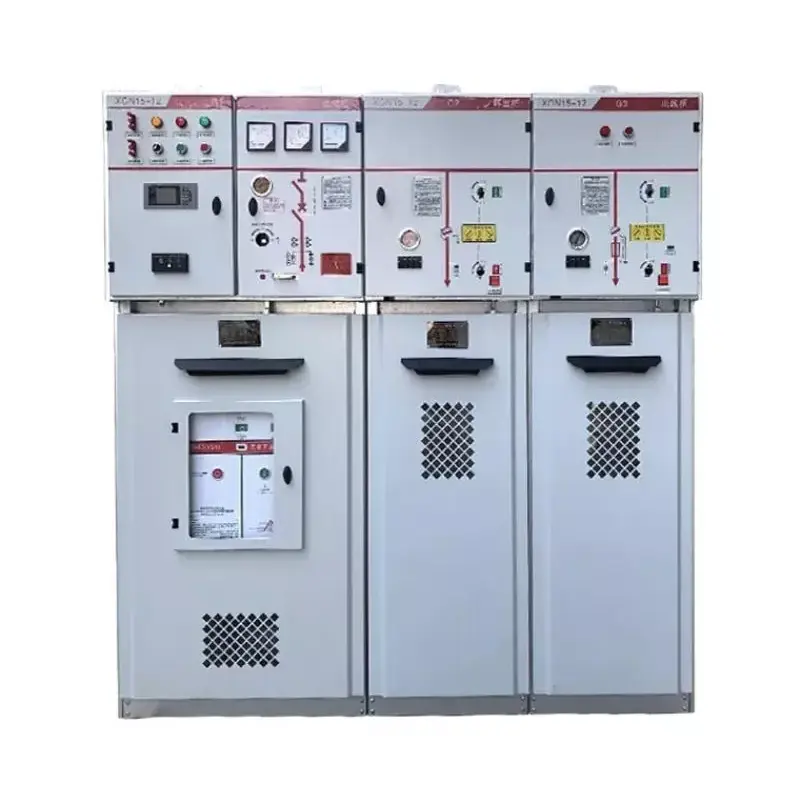
Table of Contents
- What Is High Voltage and Medium Voltage Switchgear?
- Core Components of Switchgear Systems
- Differences Between High Voltage and Medium Voltage Switchgear
- How High Voltage and Medium Voltage Switchgear Works
- Key Applications Across Industries
- Benefits of Using High Voltage and Medium Voltage Switchgear
- How to Choose the Right Switchgear Solution
- Standards, Safety, and Compliance
- Future Trends in Switchgear Technology
- Frequently Asked Questions
1. What Is High Voltage and Medium Voltage Switchgear?
High Voltage and Medium Voltage Switchgear refers to a collection of electrical devices designed to control, protect, and isolate electrical equipment operating at medium voltage (typically 1 kV–36 kV) and high voltage (above 36 kV). These systems are essential for managing power flow, preventing faults, and ensuring the safety of both equipment and personnel.
In essence, switchgear acts as the nervous system of an electrical network. Without properly designed High Voltage and Medium Voltage Switchgear, power systems would be vulnerable to short circuits, overloads, and catastrophic failures.
2. Core Components of Switchgear Systems
A complete High Voltage and Medium Voltage Switchgear assembly consists of multiple integrated components, each serving a specific protective or operational function:
- Circuit Breakers: Automatically interrupt current during faults.
- Disconnect Switches: Provide visible isolation for maintenance.
- Protection Relays: Detect abnormal conditions and trigger breakers.
- Busbars: Conduct and distribute electrical power efficiently.
- Instrument Transformers: Enable accurate measurement and monitoring.
3. Differences Between High Voltage and Medium Voltage Switchgear
| Aspect | Medium Voltage Switchgear | High Voltage Switchgear |
|---|---|---|
| Voltage Range | 1 kV – 36 kV | Above 36 kV |
| Main Applications | Industrial plants, buildings | Substations, transmission networks |
| Design Complexity | Moderate | Highly complex |
| Insulation Methods | Air, vacuum, SF6 | SF6, gas-insulated, hybrid |
4. How High Voltage and Medium Voltage Switchgear Works
High Voltage and Medium Voltage Switchgear continuously monitors current, voltage, and frequency. When abnormal conditions occur, protection relays send signals to circuit breakers, which interrupt the circuit within milliseconds. This rapid response prevents equipment damage and minimizes downtime.
5. Key Applications Across Industries
High Voltage and Medium Voltage Switchgear is widely used in:
- Power generation plants
- Electrical substations
- Oil & gas facilities
- Renewable energy projects
- Manufacturing and heavy industry
For detailed technical configurations, you can explore this High Voltage and Medium Voltage Switchgear solution overview .
6. Benefits of Using High Voltage and Medium Voltage Switchgear
- Enhanced system safety
- Improved operational reliability
- Reduced maintenance costs
- Scalable and modular design
- Compliance with international standards
7. How to Choose the Right Switchgear Solution
Selecting the right High Voltage and Medium Voltage Switchgear requires evaluating voltage level, short-circuit ratings, installation environment, and future expansion needs. Partnering with an experienced manufacturer like TOONICE ensures tailored solutions backed by engineering expertise.
8. Standards, Safety, and Compliance
High Voltage and Medium Voltage Switchgear must comply with IEC, IEEE, and ANSI standards. Proper testing, certification, and documentation are critical for long-term operational safety and regulatory acceptance.
9. Future Trends in Switchgear Technology
Digital monitoring, eco-friendly insulation, and smart grid integration are shaping the future of High Voltage and Medium Voltage Switchgear. Intelligent switchgear systems enable predictive maintenance and improved grid resilience.
Frequently Asked Questions (FAQ)
Q1: What is the lifespan of High Voltage and Medium Voltage Switchgear?
Typically 20–30 years with proper maintenance.
Q2: Is SF6 gas still widely used?
Yes, but eco-friendly alternatives are increasingly adopted.
Q3: Can switchgear be customized?
Absolutely. Manufacturers like TOONICE offer project-specific designs.
Conclusion
High Voltage and Medium Voltage Switchgear is not just a technical necessity—it is a strategic investment in safety, reliability, and future-ready power systems. By understanding its functions, applications, and selection criteria, stakeholders can make informed decisions that enhance system performance.
If you are planning a new project or upgrading existing infrastructure, now is the right time to contact us at TOONICE to discuss professional High Voltage and Medium Voltage Switchgear solutions tailored to your needs.